
9ct vs 14ct vs 18ct vs 22ct vs 24ct Gold: Which Is Best for Jewellery?
One of the questions we hear most often at Burlington is:
“What’s the difference between 9ct, 14ct, 18ct, 22ct and 24ct gold?”
The simple answer is purity.
The higher the carat, the more pure gold the piece contains. This can affect its colour, durability, feel and price.
For everyday jewellery, however, the highest carat isn’t always the best choice. While 24ct gold is almost pure gold, its softness means 9ct, 14ct and 18ct are often more practical for jewellery that will be worn regularly.
Below, we compare each gold carat so you can see which one may be right for you.

What Does “Carat” Mean in Gold?
| Gold | Pure Gold | Hallmark | Best Known For |
|---|---|---|---|
| 9ct | 37.5% | 375 | Affordable, practical everyday wear |
| 14ct | 58.5% | 585 | Balance of durability and gold content |
| 18ct | 75% | 750 | Fine jewellery, engagement & wedding rings |
| 22ct | 91.6% | 916 | Rich buttery colour, antique & traditional jewellery |
| 24ct | 99.9% | 999 | Pure gold, investment & ceremonial pieces |
When we talk about gold, carat, usually written as ct, refers to purity.
Pure gold is measured as 24 parts.
So 18ct gold, for example, contains 18 parts pure gold out of 24, which works out to 75%.
The remaining percentage is made up of other metals such as silver, copper or palladium.
Why add other metals at all?
Because pure gold is naturally very soft. Mixing it with other metals helps make jewellery stronger and more practical to wear.

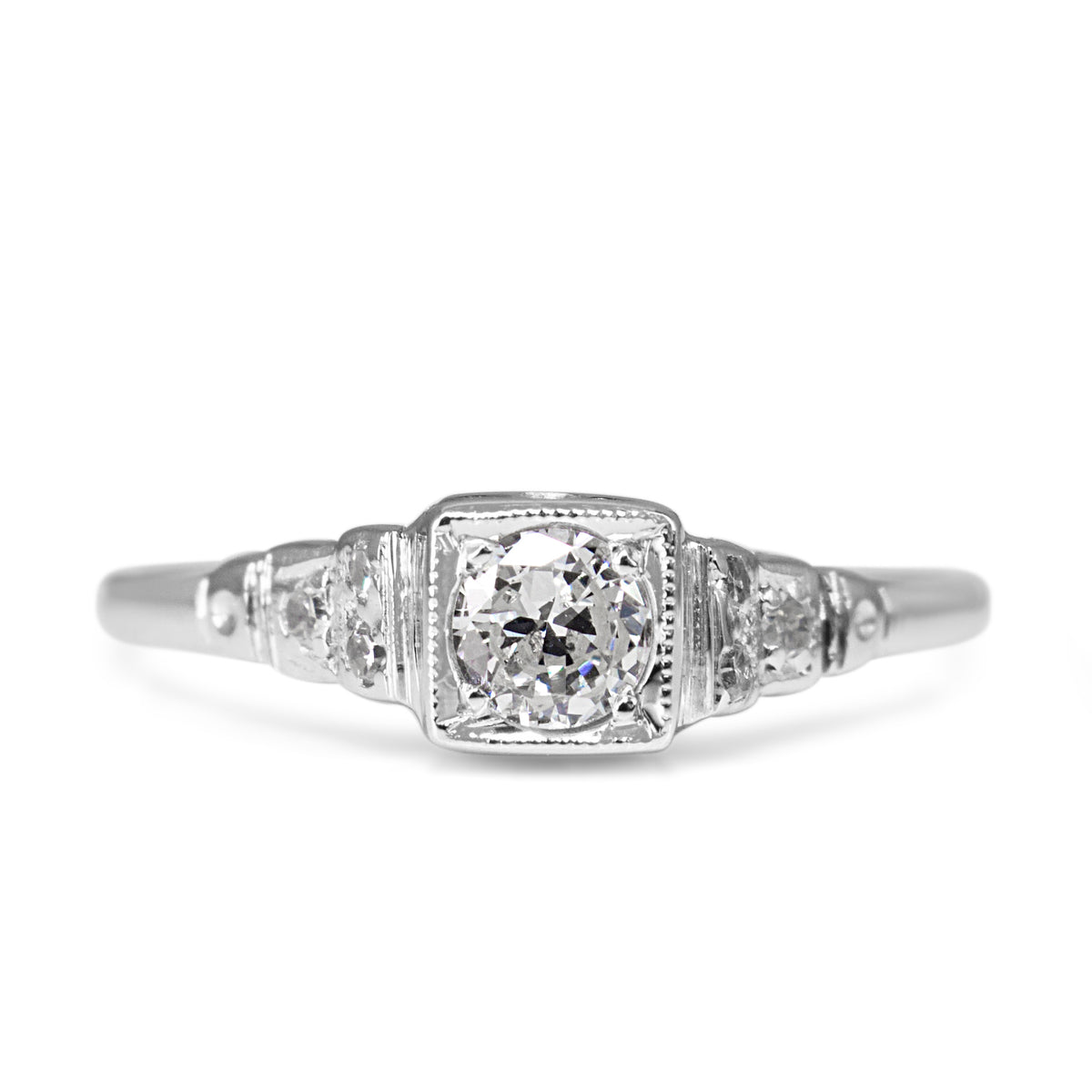
These markings can be particularly useful when looking at antique and vintage jewellery. And one small distinction worth knowing: with gold, carat refers to purity. With diamonds and gemstones, carat refers to weight.
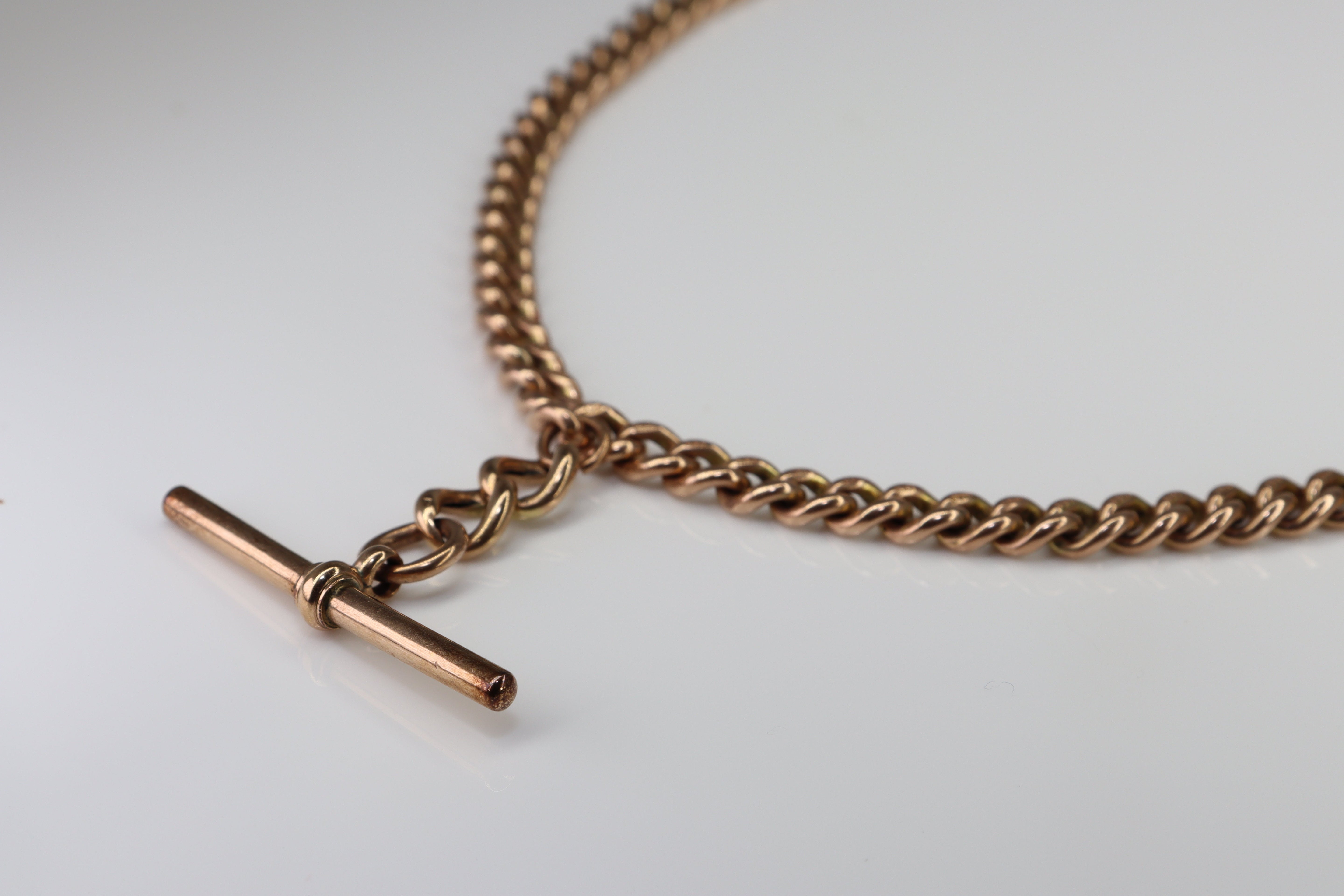
Does Carat Change the Colour of Gold?
Yes, especially with yellow gold. Generally, the more pure gold a piece contains, the richer and deeper its yellow colour becomes.

Yellow Gold
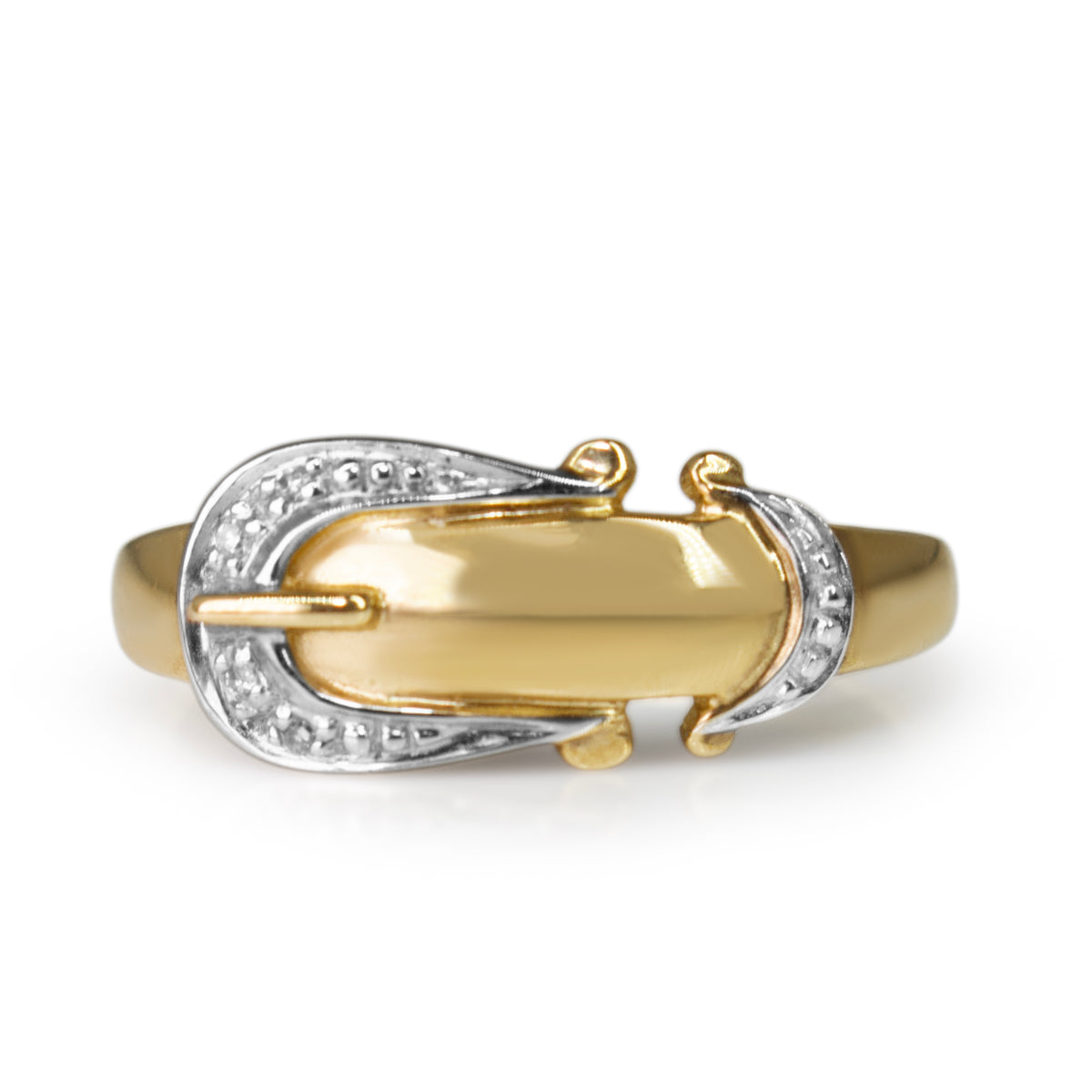
- 9ct yellow gold usually has a softer, lighter yellow tone.
- 14ct yellow gold tends to look a little warmer.
- 18ct yellow gold has a richer, classic gold colour.
- 22ct yellow gold becomes noticeably deeper and has that beautiful buttery yellow appearance.
- 24ct gold is extremely yellow because it is almost completely pure gold.
This difference is one of the easiest ways to appreciate higher-carat yellow gold when you see pieces side by side.
What About White Gold?

With white gold, the difference in carat is generally less obvious visually.
White gold is made by combining gold with lighter-coloured metals, and most modern white gold jewellery is also rhodium plated to give it that crisp, bright white finish.
So the final colour is influenced more by the alloy and finish than the carat alone.
And Rose Gold?

Rose gold gets its pink colour primarily from copper. A higher amount of copper can create a deeper, stronger rose tone, while a different mix can produce a softer blush pink.
So with rose gold, the alloy mix has a bigger influence on the visible colour than simply choosing a higher carat.
Is 9ct Gold a Good Choice?

Absolutely. 9ct gold contains 37.5% pure gold and a larger percentage of other metals.
It is generally harder than higher-carat gold and can be a practical choice for jewellery that will be worn regularly.
It’s also usually the most affordable option among the gold carats commonly used in fine jewellery.
You might choose 9ct if:
- You want a more affordable genuine gold option
- You plan to wear the piece regularly
- You prefer a softer yellow-gold colour
- You’re choosing an everyday piece or gift
- Practicality is important to you
One thing to remember: harder doesn’t mean indestructible.
9ct gold can still scratch, bend or become damaged, so it deserves proper care just like any other piece of jewellery.
What About 14ct Gold?

14ct gold contains approximately 58.5% pure gold.
It sits neatly between 9ct and 18ct, giving you a higher gold content while still offering good durability.
In yellow gold, the colour is usually warmer and richer than 9ct but a little more understated than 18ct.
You might prefer 14ct if:
- You want jewellery suitable for regular wear
- You want more pure gold than 9ct
- Durability is important to you
- You like a warm but understated gold colour
- You want a balance between price and gold content
For many people, 14ct is a lovely middle ground.
Why Is 18ct Gold So Popular?

18ct gold contains 75% pure gold.
That higher gold content gives yellow gold a noticeably richer and warmer colour.
It has long been a favourite for fine jewellery, particularly engagement rings and wedding bands.
There’s something beautifully traditional about 18ct yellow gold. It has depth and warmth while still being practical enough for jewellery that is worn regularly.
You might prefer 18ct if:
- You love a richer gold colour
- Higher gold content matters to you
- You’re choosing an engagement ring or wedding band
- You prefer a classic fine-jewellery feel
- You’re looking for a special piece to enjoy for years
Because 18ct contains more pure gold, it is generally softer than 9ct or 14ct and may develop fine surface marks with regular wear. That’s completely normal.
Jewellery that is worn and loved will naturally develop small signs of wear.
Love the richness of 18ct gold?
Discover engagement rings, antique pieces and one-of-a-kind jewellery across a range of gold carats.
SHOP ALL JEWELLERY →
What Makes 22ct Gold Different?

22ct gold contains approximately 91.6% pure gold.
And visually, it’s hard to miss.
22ct yellow gold has a beautifully rich, buttery colour because there is much more pure gold in the alloy.
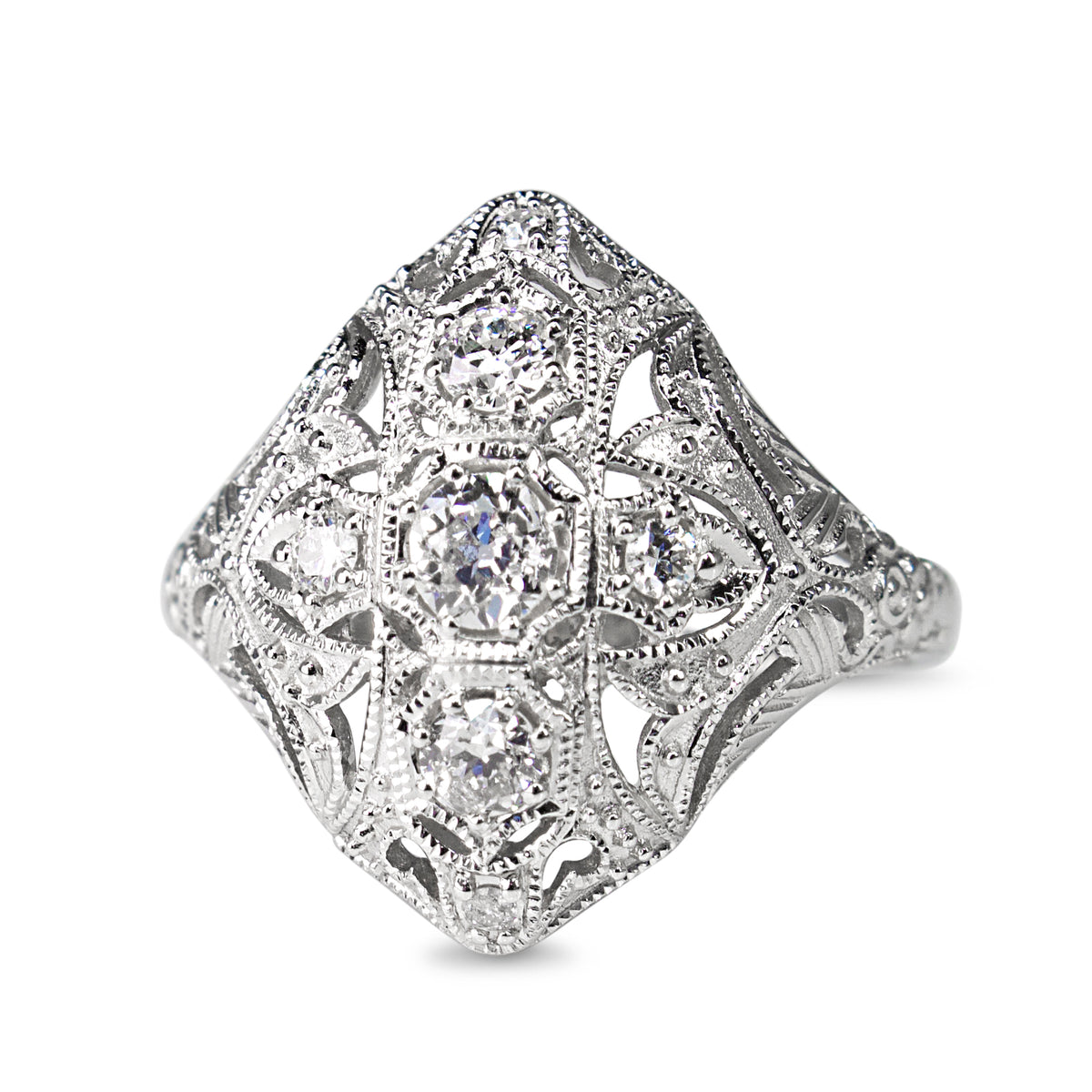
At Burlington, we occasionally come across 22ct gold jewellery particularly among antique, vintage and distinctive one-of-a-kind pieces.
Because 22ct contains so much pure gold, it is softer than 9ct, 14ct and 18ct. That doesn’t mean you can’t wear it. It simply means the design and how you wear the piece matter even more.
22ct gold is often seen in:
- Antique and vintage jewellery
- Traditional and cultural jewellery
- Bangles and chains
- Statement pieces
- Designs where the richness of the gold itself is part of the beauty
And because 22ct pieces aren’t something we see every day, they can be particularly special when one comes through the door.
[EXPLORE OUR LATEST ANTIQUE & VINTAGE PIECES]
And What About 24ct Gold?

24ct gold is approximately 99.9% pure gold.
That gives it an incredibly rich, intense yellow colour.
It is also extremely soft. 24ct gold can scratch, dent, bend and lose its shape much more easily than lower-carat gold.
For that reason, it generally isn’t suitable for the type of everyday fine jewellery we specialise in at Burlington, particularly engagement rings and delicate gemstone settings.
You’re more likely to see 24ct gold used for investment gold, ceremonial pieces and some traditional jewellery where purity is more important than everyday durability.
So although 24ct has the highest purity, higher doesn’t always mean better when it comes to wearable jewellery.
Does a Higher Carat Mean Better Gold?
Not necessarily.
A higher carat simply means there is more pure gold in the piece.
The best carat depends on what matters most to you.
- Choose 9ct if affordability and practicality are high on your list
- Choose 14ct if you like a balance of durability and higher gold content.
- Choose 18ct if you want that beautiful rich colour and traditional fine-jewellery feel.
- Choose 22ct if you love deep, buttery yellow gold and appreciate a very high gold content.
- 24ct contains the most pure gold, but for many everyday jewellery designs, it is simply too soft.
The right choice isn’t necessarily the highest number.
It’s the one that suits the piece, your lifestyle and what you love wearing.
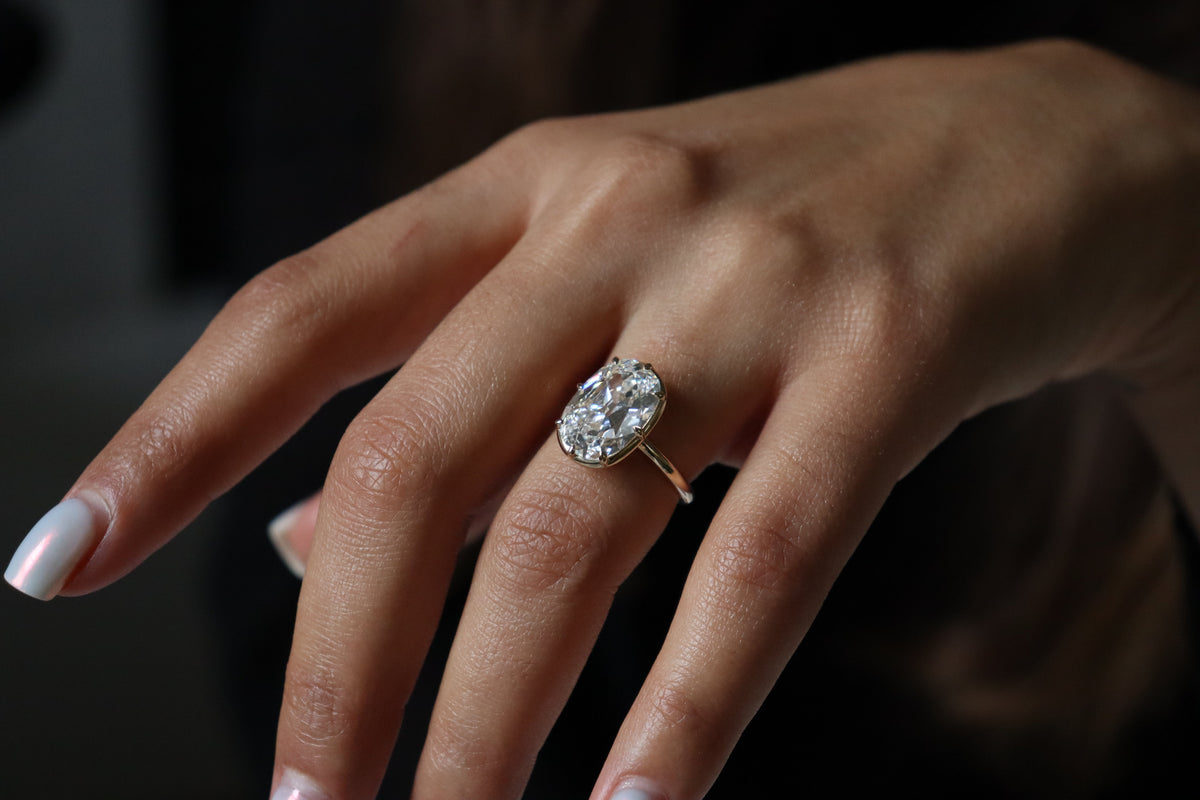
Which Gold Is Best for an Engagement Ring?

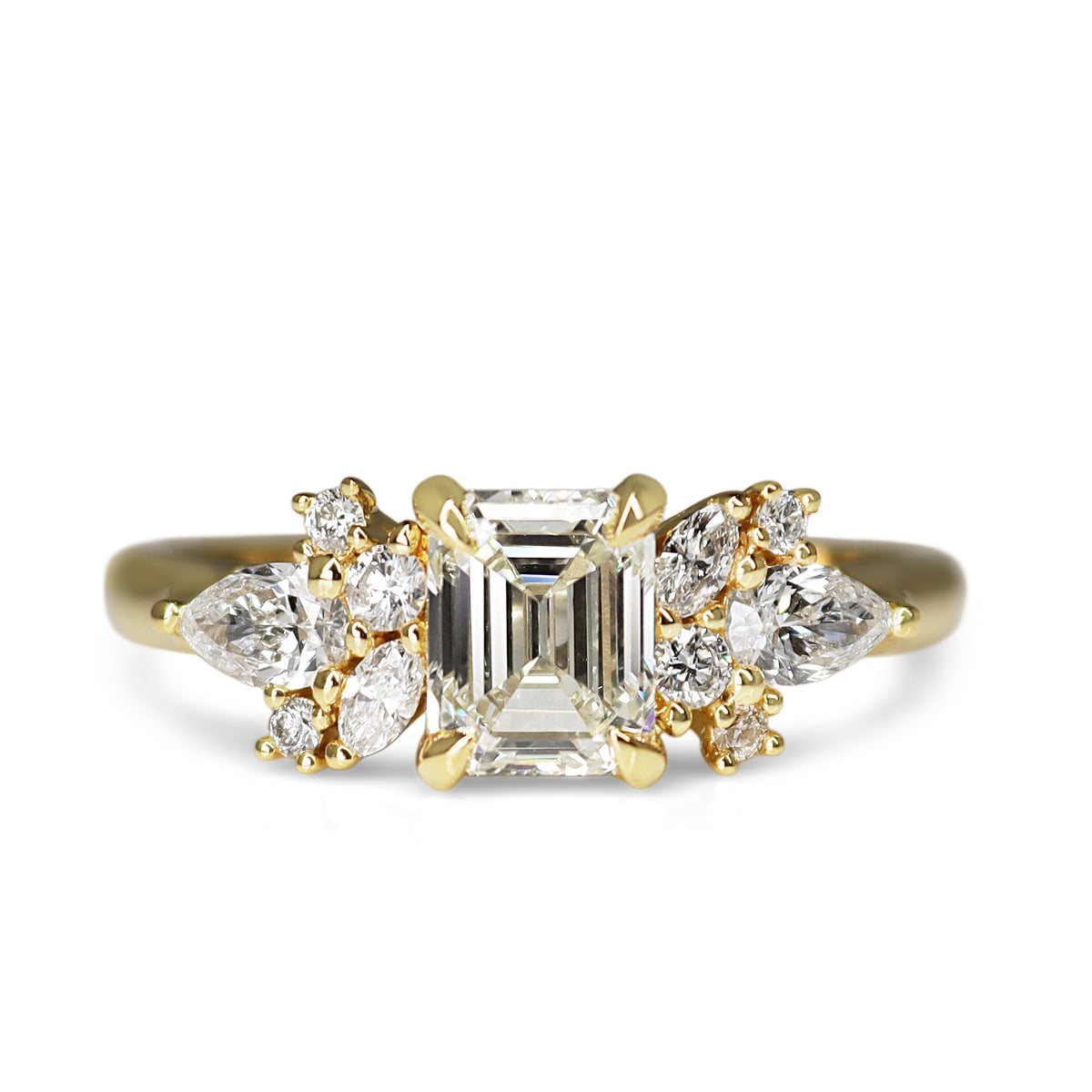
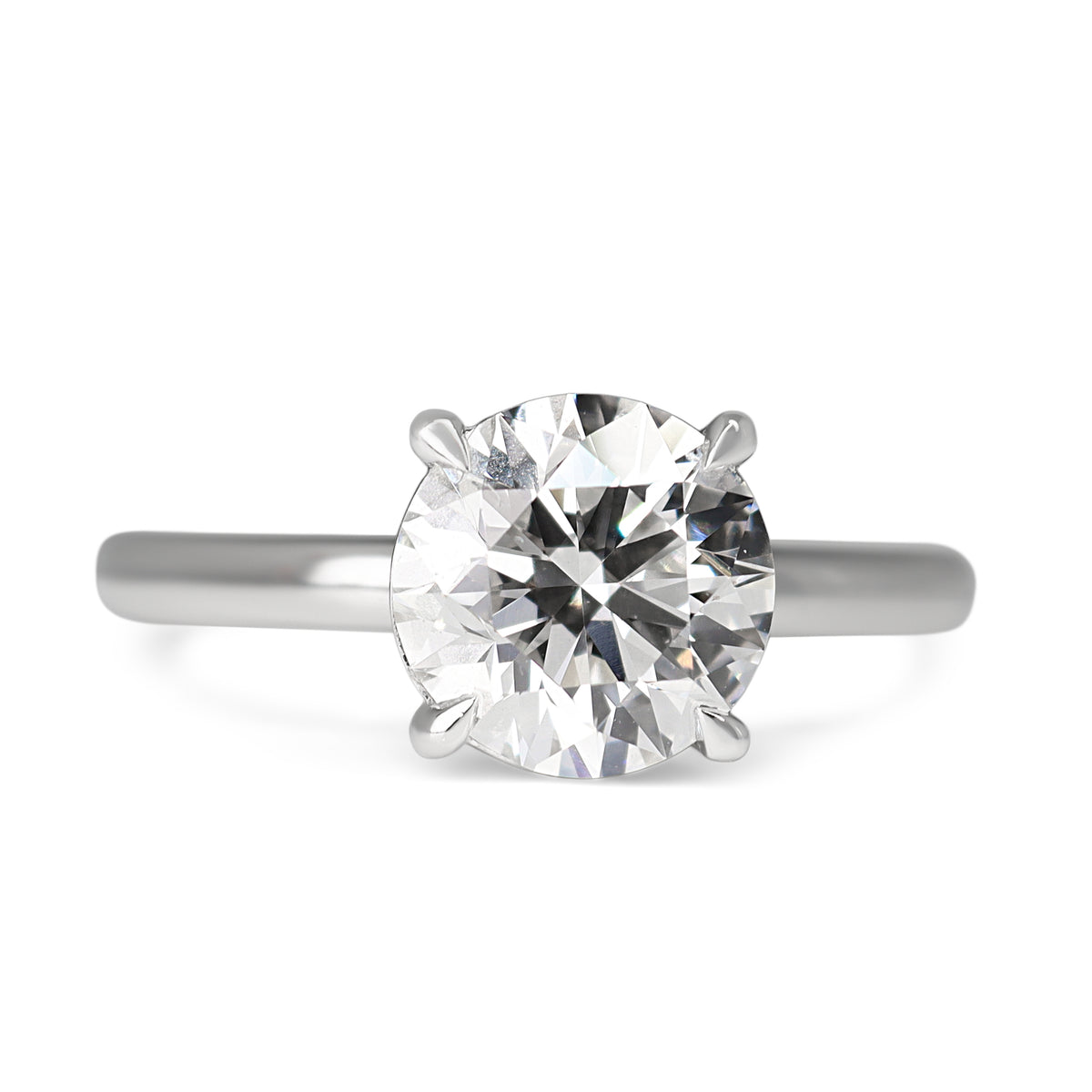
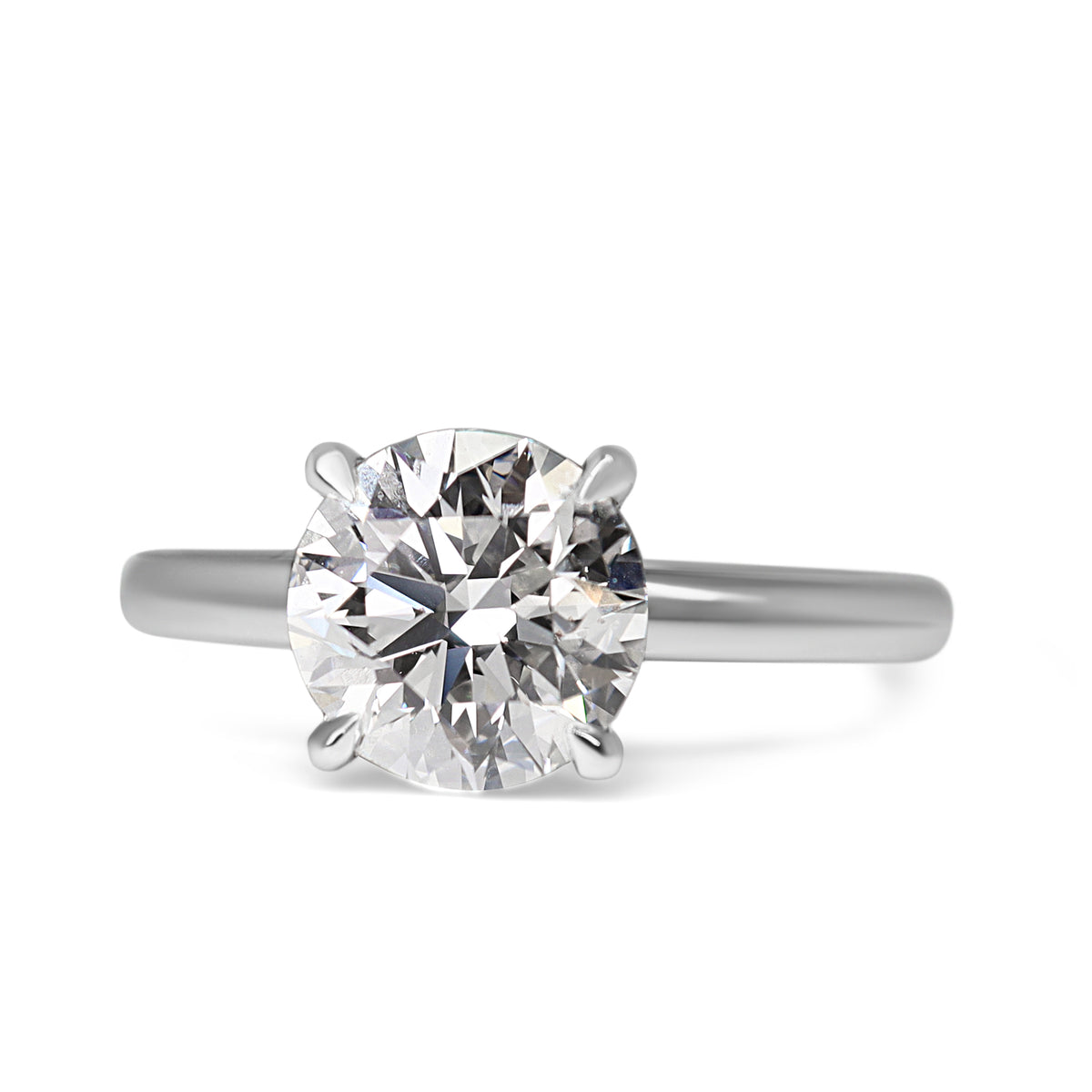
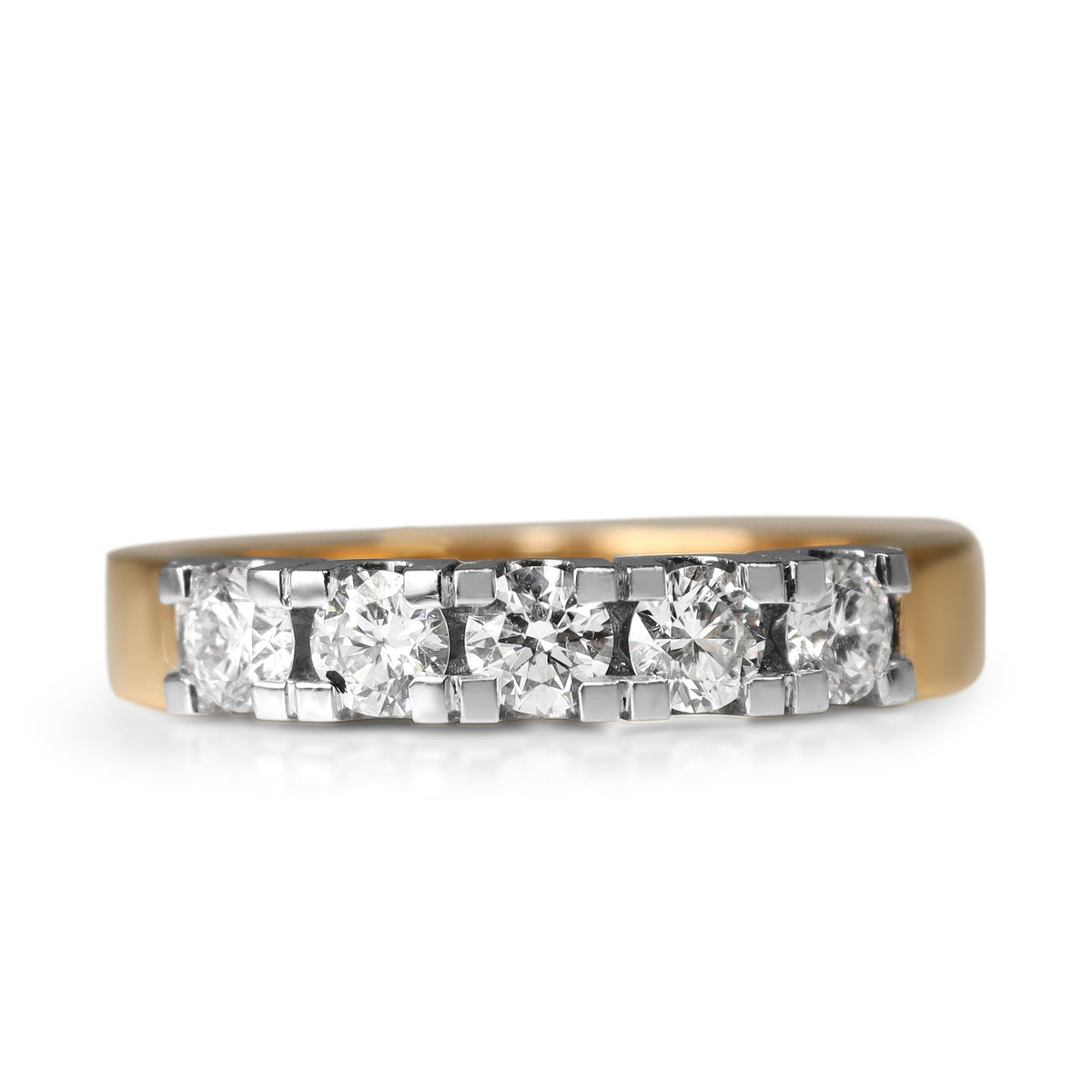
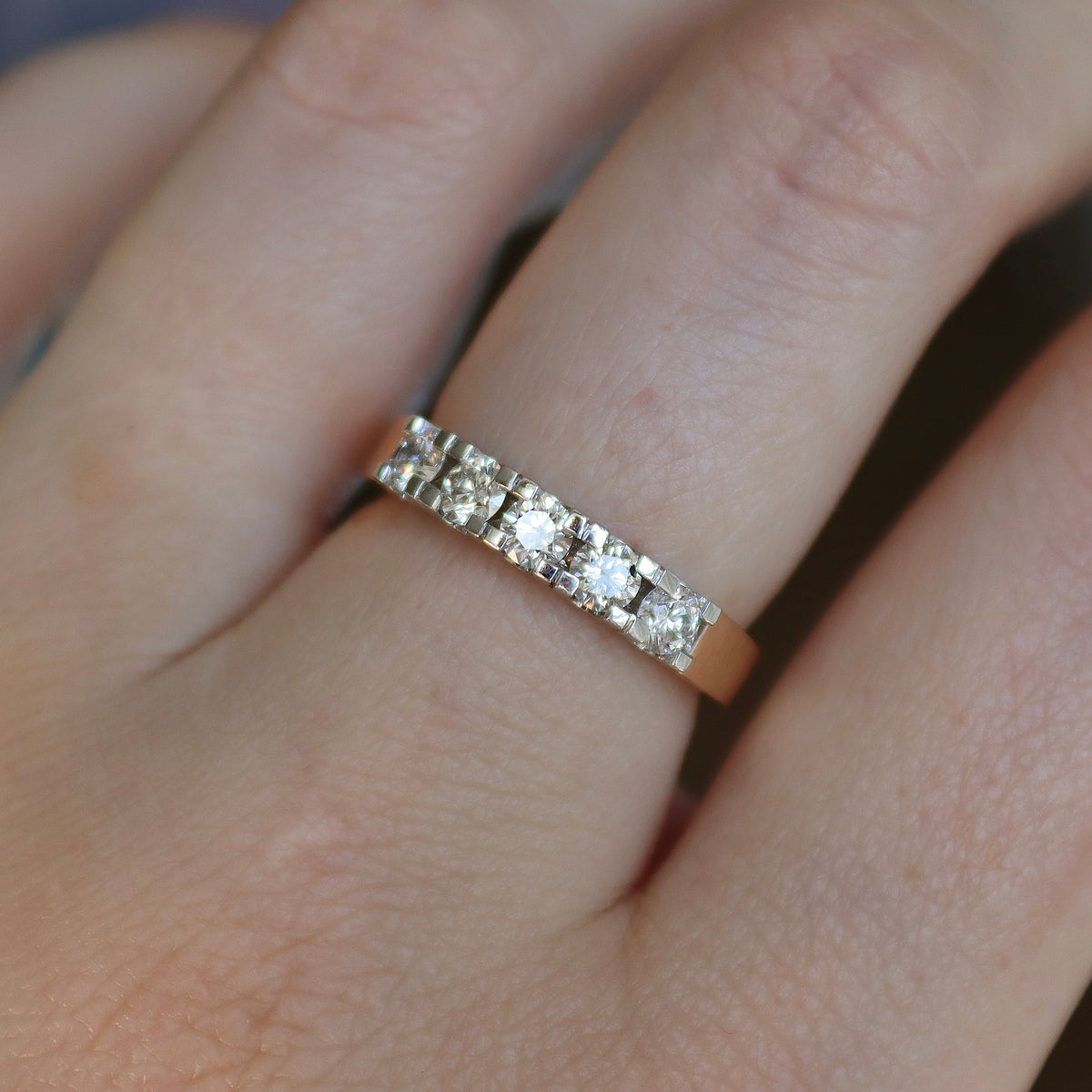
For engagement rings, 9ct, 14ct and 18ct gold are all popular options.
9ct offers practicality and a more accessible price point.
14ct gives you more pure gold while maintaining good durability.
18ct offers richer colour and a higher gold content, giving it the traditional fine-jewellery look many people love for an engagement ring.
22ct is beautiful, but its softness means it may not be suitable for every engagement ring design, particularly delicate claws and gemstone settings that will be worn every day.
And 24ct is generally too soft.
But the carat is only part of the story.
The ring’s design matters too.
A fine band, high-set stone or delicate claw setting may naturally require more care than a heavier band or low-profile design, regardless of which gold you choose.
When we help someone choose a ring, we look at the entire piece and how it will actually be worn, not simply the number stamped inside it.
Looking for an engagement ring?
Explore our collection of diamond, gemstone, antique and one-of-a-kind engagement rings.
[EXPLORE ENGAGEMENT RINGS]
Can You Wear 18ct Gold Every Day?
Yes.
Many engagement rings and wedding bands are made from 18ct gold and worn every day.
Over time, you may notice small marks or fine scratches developing on the surface.
That doesn’t mean anything is wrong with the jewellery.
It simply means it has been worn.
A few good habits can make a big difference.
Take your jewellery off before going to the gym, gardening, cleaning or doing anything that could put unnecessary pressure on the band or setting.
Your jewellery is made to be enjoyed.
It just doesn’t need to join you for the deadlifts.
How Should You Care for Gold Jewellery?
Whatever carat you choose, a little care goes a long way.
We recommend:
- Removing jewellery before exercising, swimming or heavy work
- Keeping it away from bleach, chlorine and harsh cleaning products
- Storing pieces separately so they don’t rub against each other
- Cleaning jewellery gently with warm water, mild soap and a soft brush
- Having rings, claws and gemstone settings checked by a jeweller from time to time
If you’re unsure how to clean a particular piece, bring it to a jeweller.
This is especially important with antique, vintage and gemstone jewellery, where certain stones and settings may need a little extra care.
So, Which Gold Should You Choose?
Here’s the easiest way to remember it:
- 9ct = practical and affordable
- 14ct = a balance of durability and gold content
- 18ct = rich, classic and a favourite for fine jewellery
- 22ct = beautifully buttery, high-purity gold that needs a little more care
- 24ct = almost pure gold, but generally too soft for everyday fine jewellery
Ultimately, choosing gold isn’t about finding the highest number. It’s about finding the piece that feels right for you.
Come and See the Difference in Person
Sometimes the easiest way to understand gold is to actually see it side by side.
At Burlington, we can help you compare different gold carats, colours and styles and explain what may work best for the piece you’re considering.
Whether you’re looking for an engagement ring, wedding band, antique treasure, gift or one-of-a-kind piece, we’re always happy to help.
Visit us at Westfield Doncaster or explore our gold jewellery online.

作者:BURLINGTON JEWELLERY





发表评论
此站点受 hCaptcha 保护,并且 hCaptcha 隐私政策和服务条款适用。