
Article: Lab-Grown vs Natural Diamonds: What’s the Actual Difference?
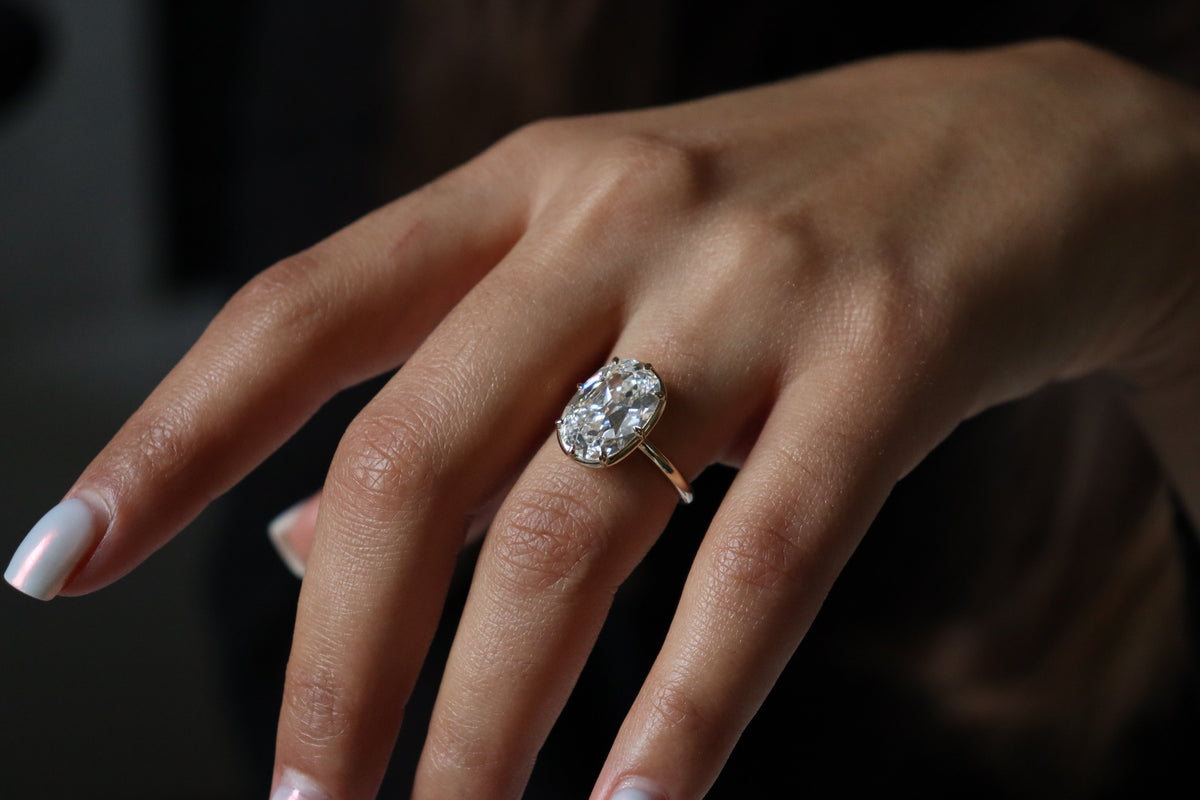
Lab-Grown vs Natural Diamonds: What’s the Actual Difference?
You’ve found the ring shape you love.
You know you want something sparkly.
Then suddenly you’re comparing lab-grown vs. natural diamonds and wondering why one costs so much less than the other.
Very normal.
So let’s skip the confusing diamond talk and get straight to it.
First question: are lab-grown diamonds real?

Yes.
Lab-grown diamonds are real diamonds.
They have the same basic chemical and physical properties as natural diamonds.
The main difference is where they come from.
A natural diamond forms deep inside the earth over billions of years.
A lab-grown diamond is created in a laboratory using technology that recreates the conditions needed for a diamond to grow.
That’s really the biggest difference.
One comes from nature.
One comes from a lab.
Both are diamonds.
Can you actually tell the difference?

Most people can’t.
Put a beautiful lab-grown diamond beside a similar natural diamond, and you probably won’t know which is which just by looking.
Both can sparkle.
Both can be clear and bright.
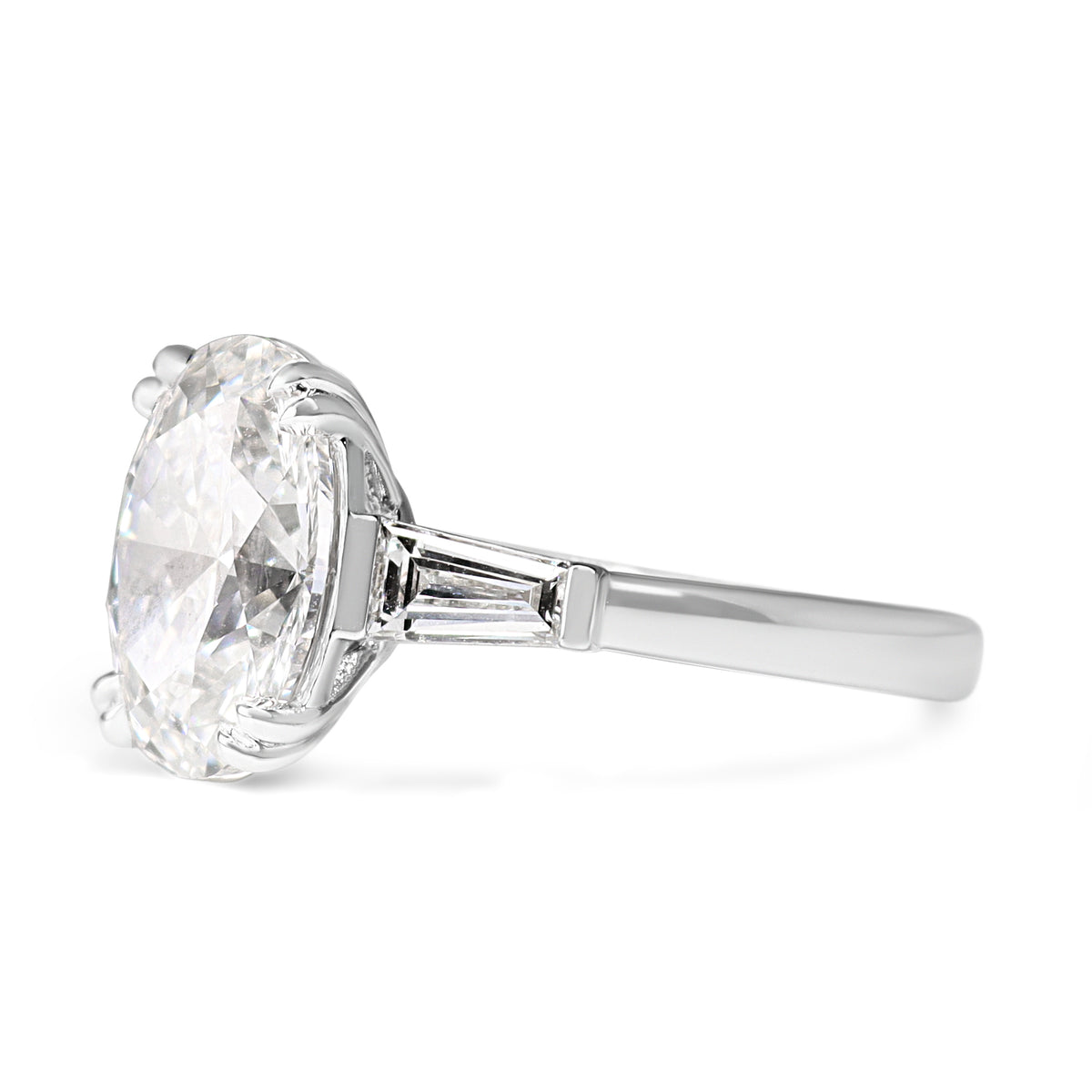
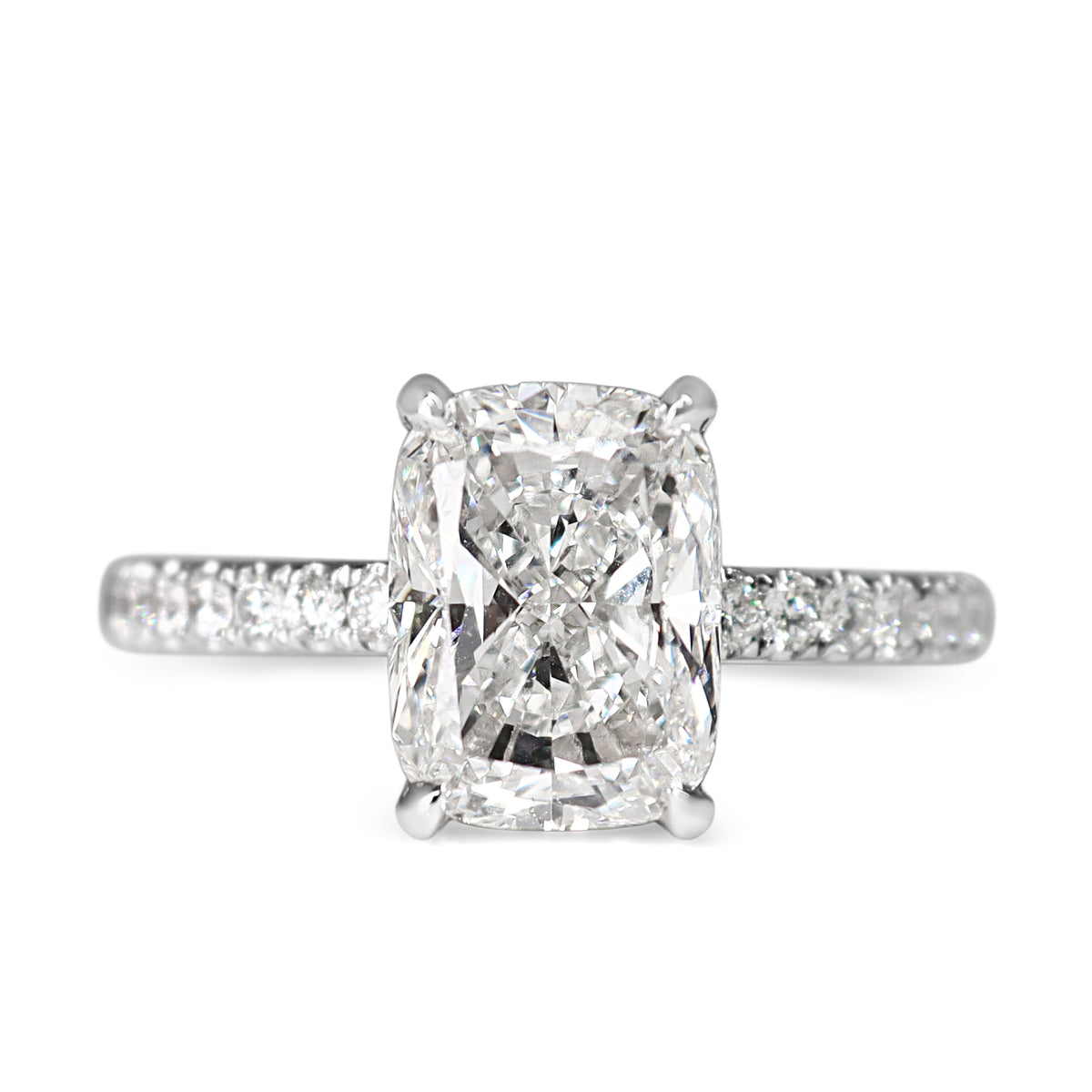
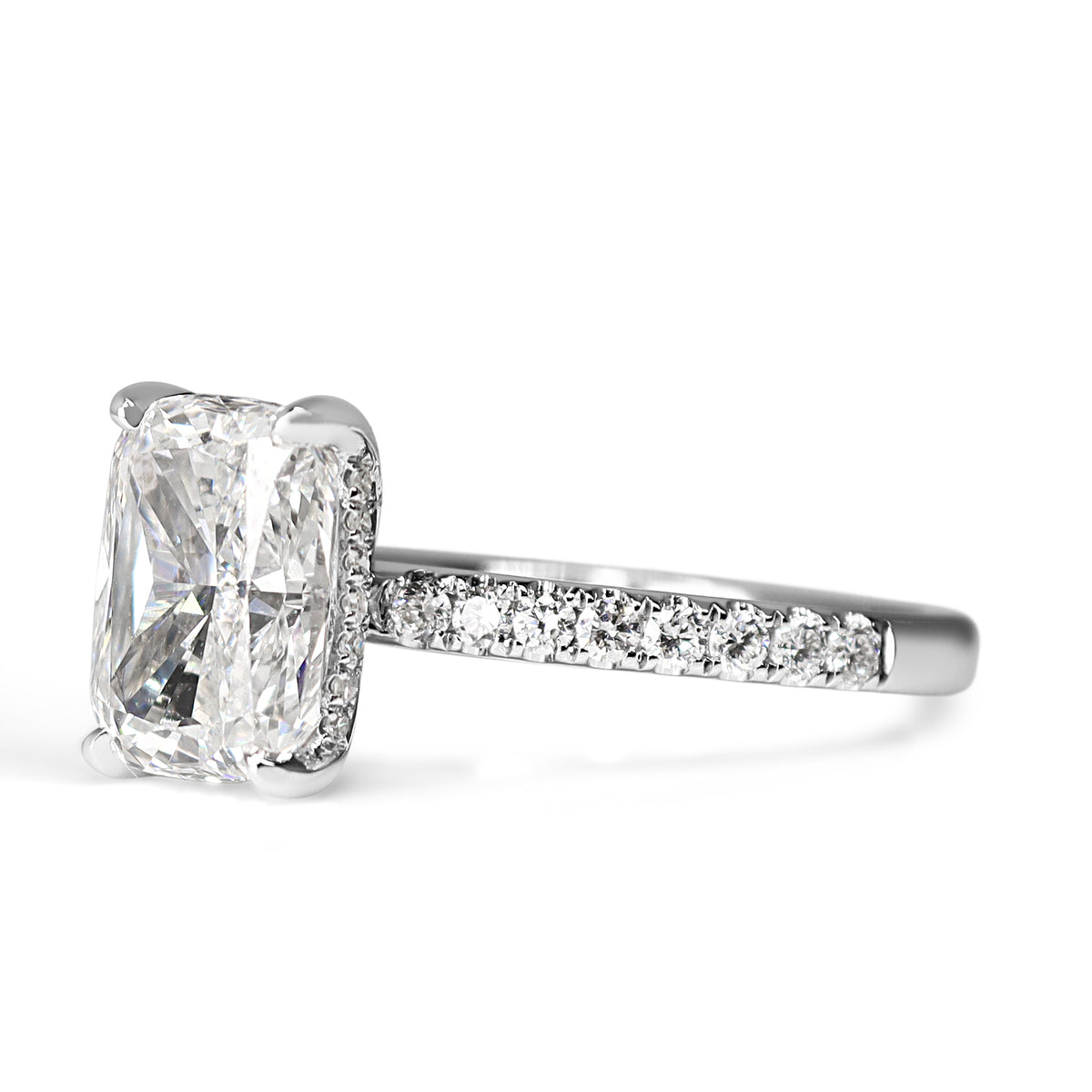
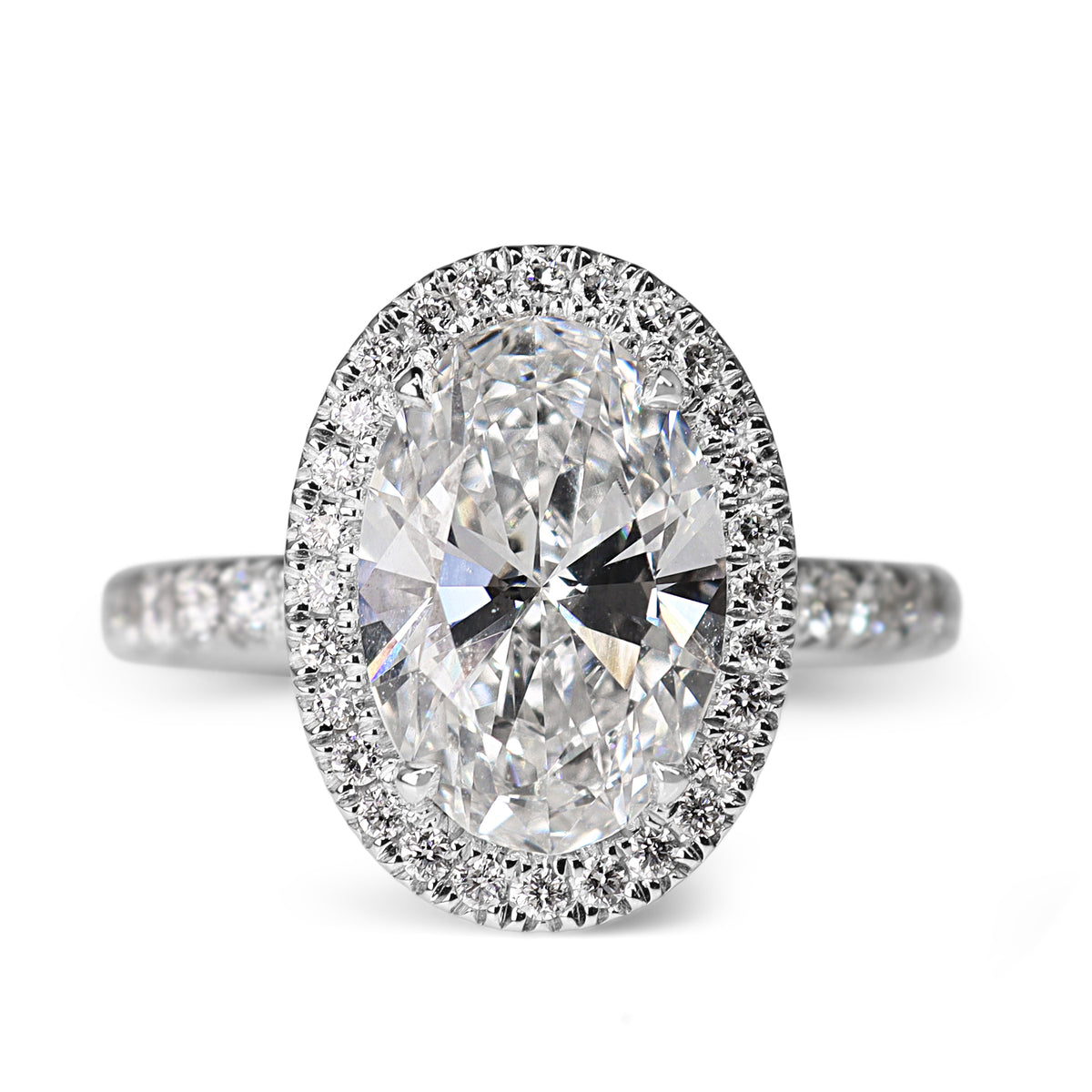
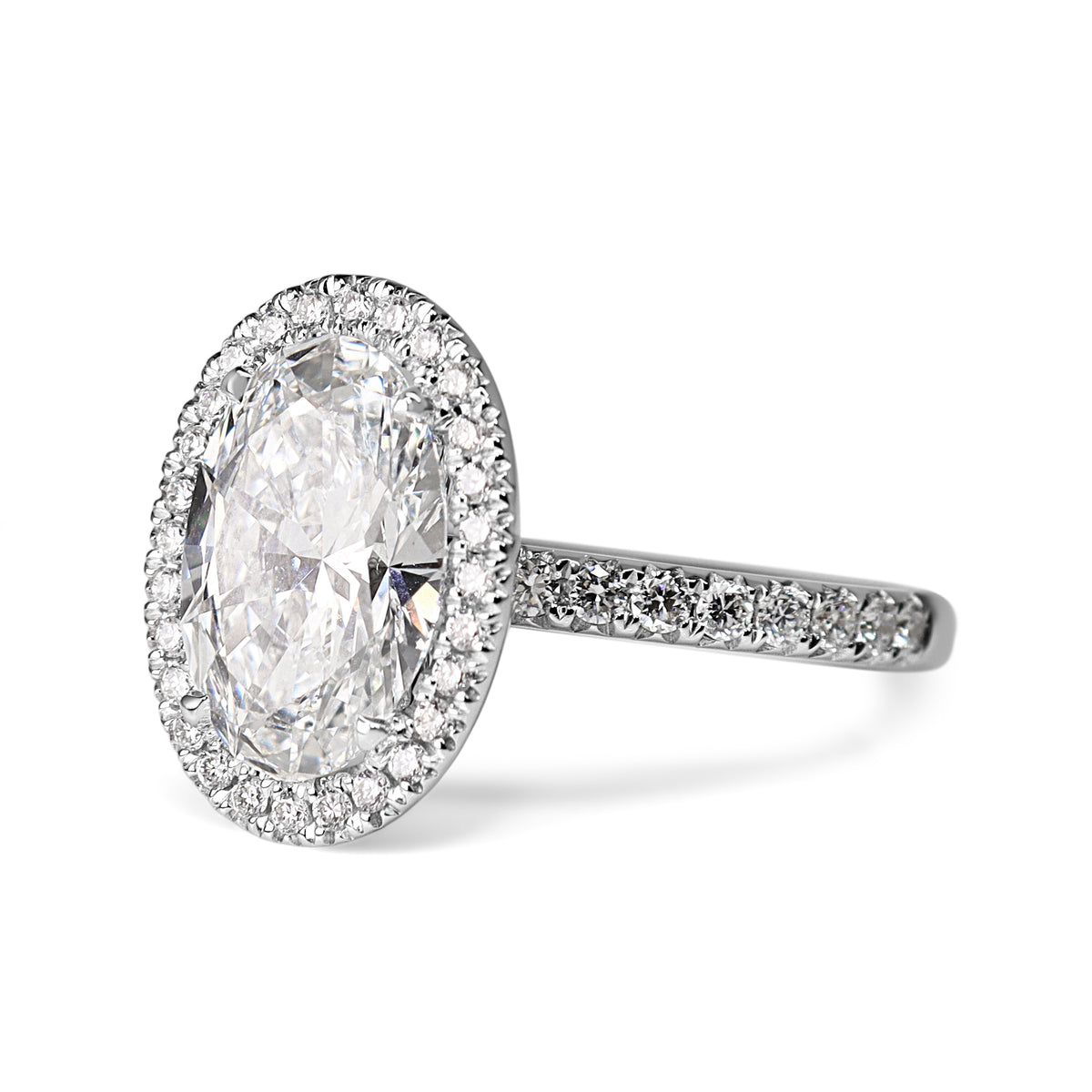
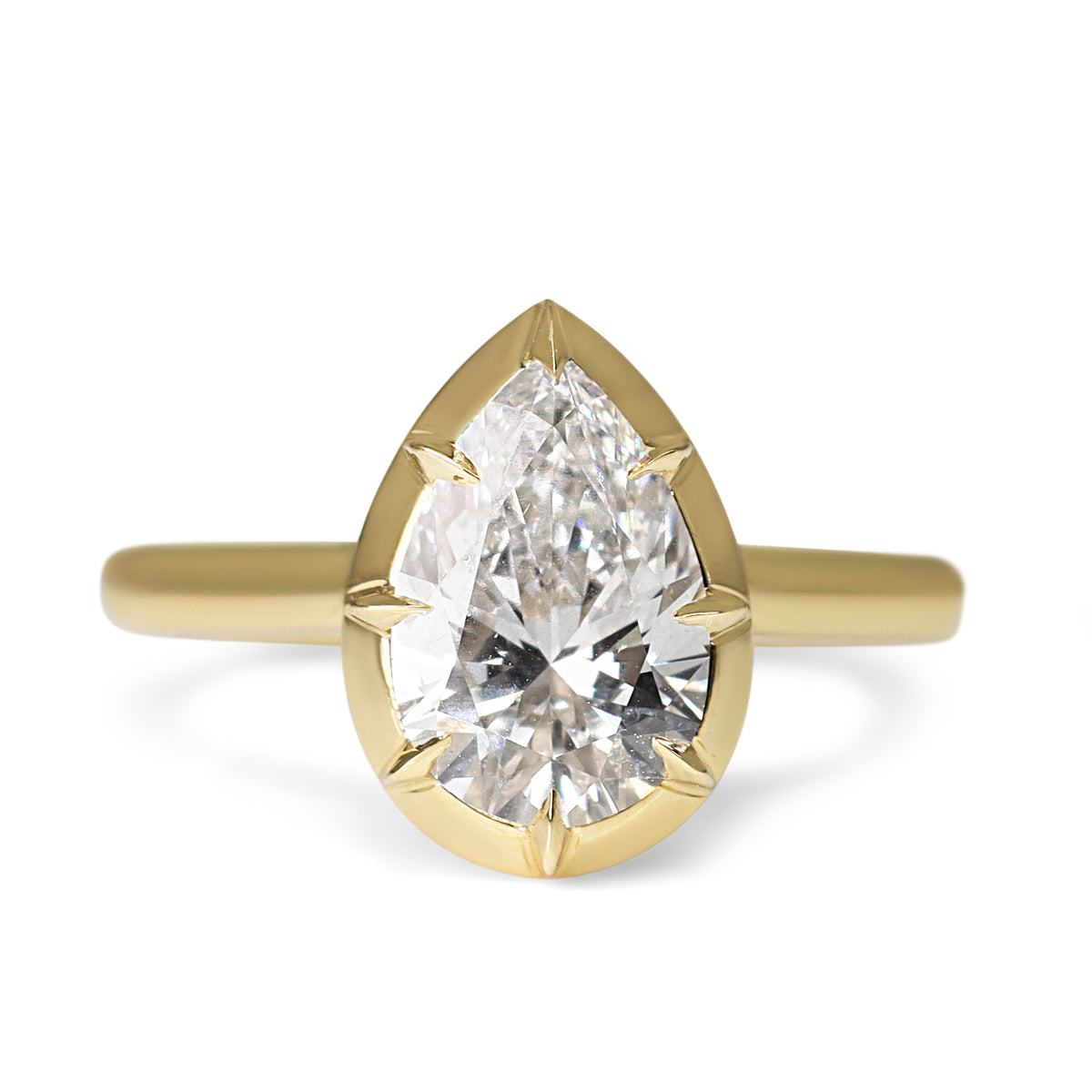
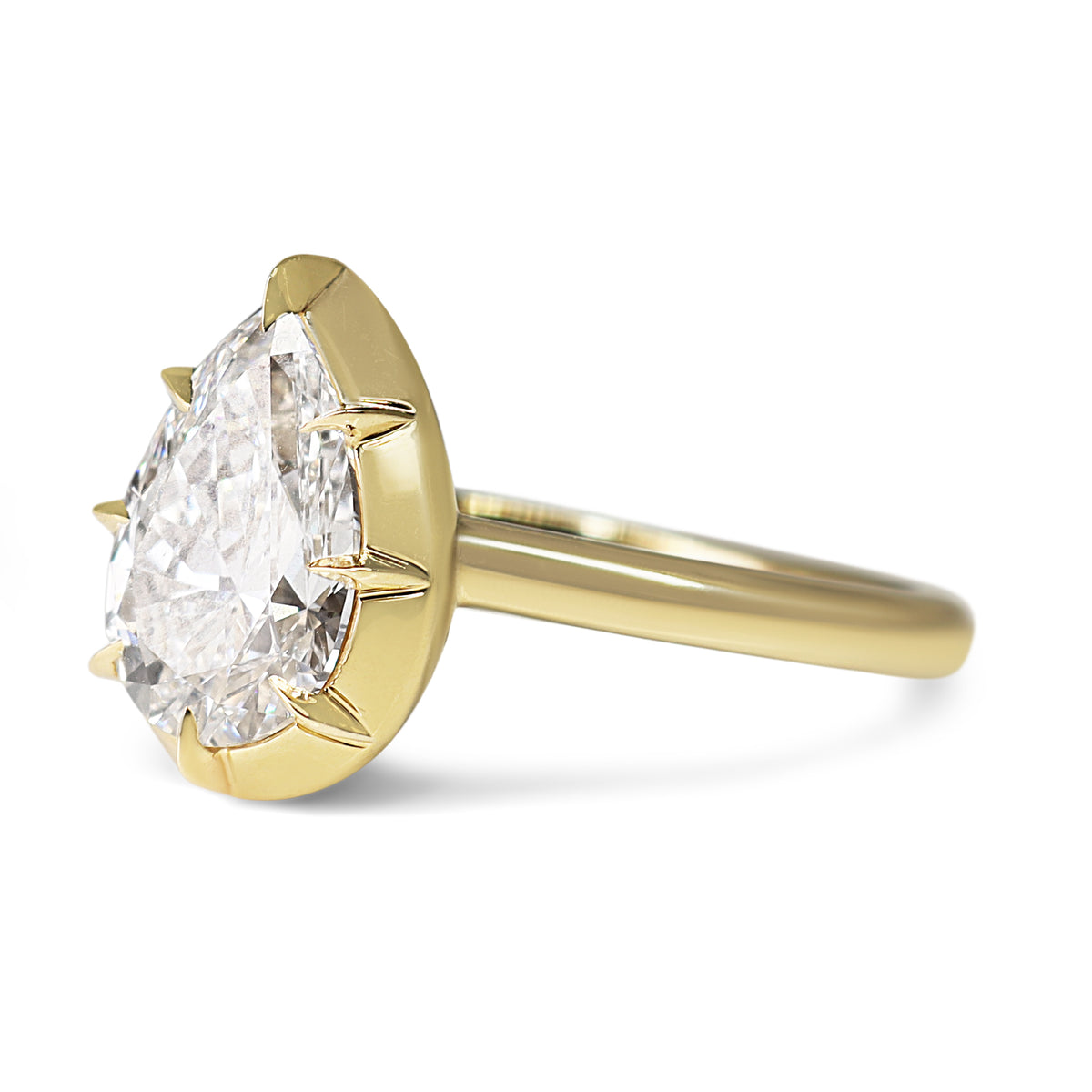
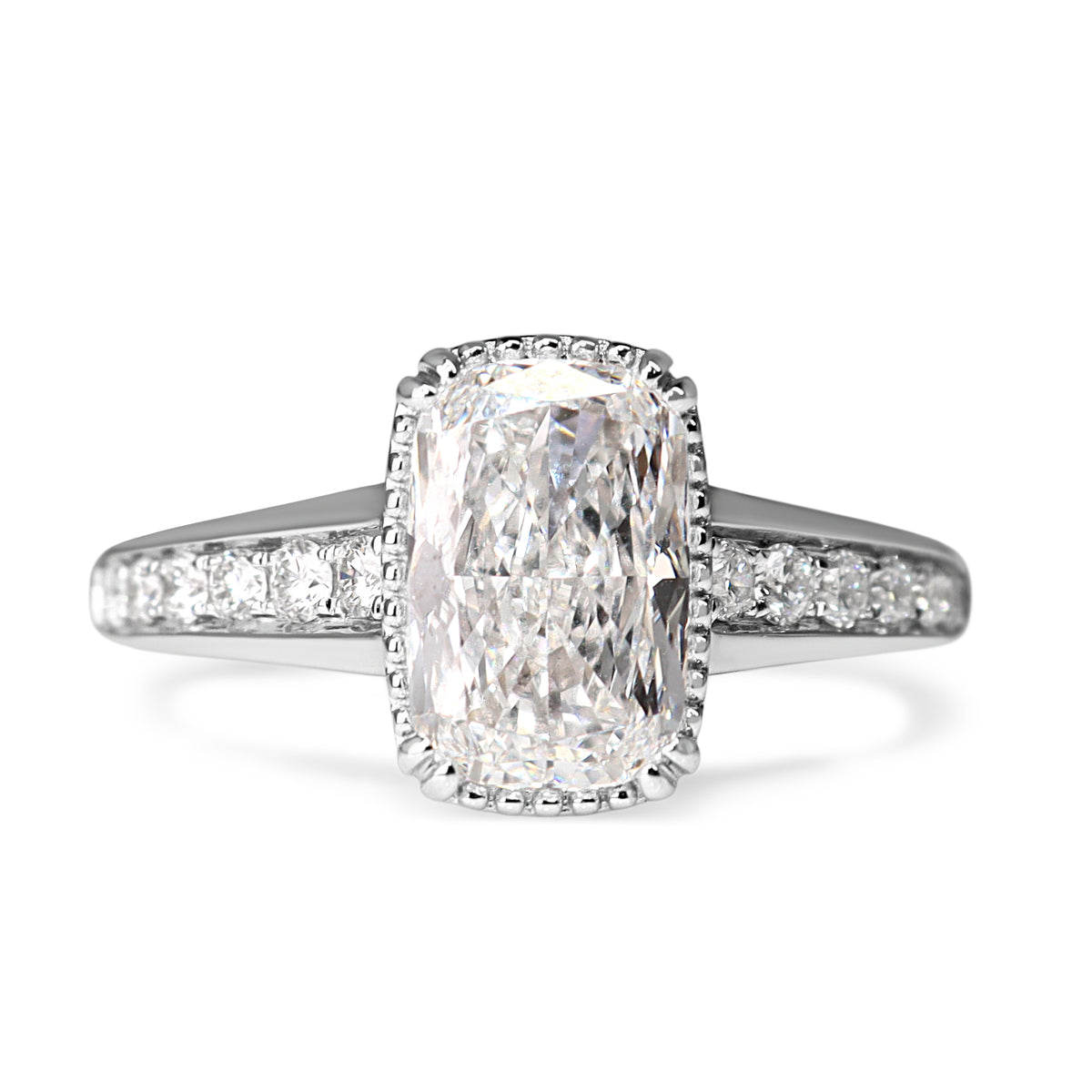
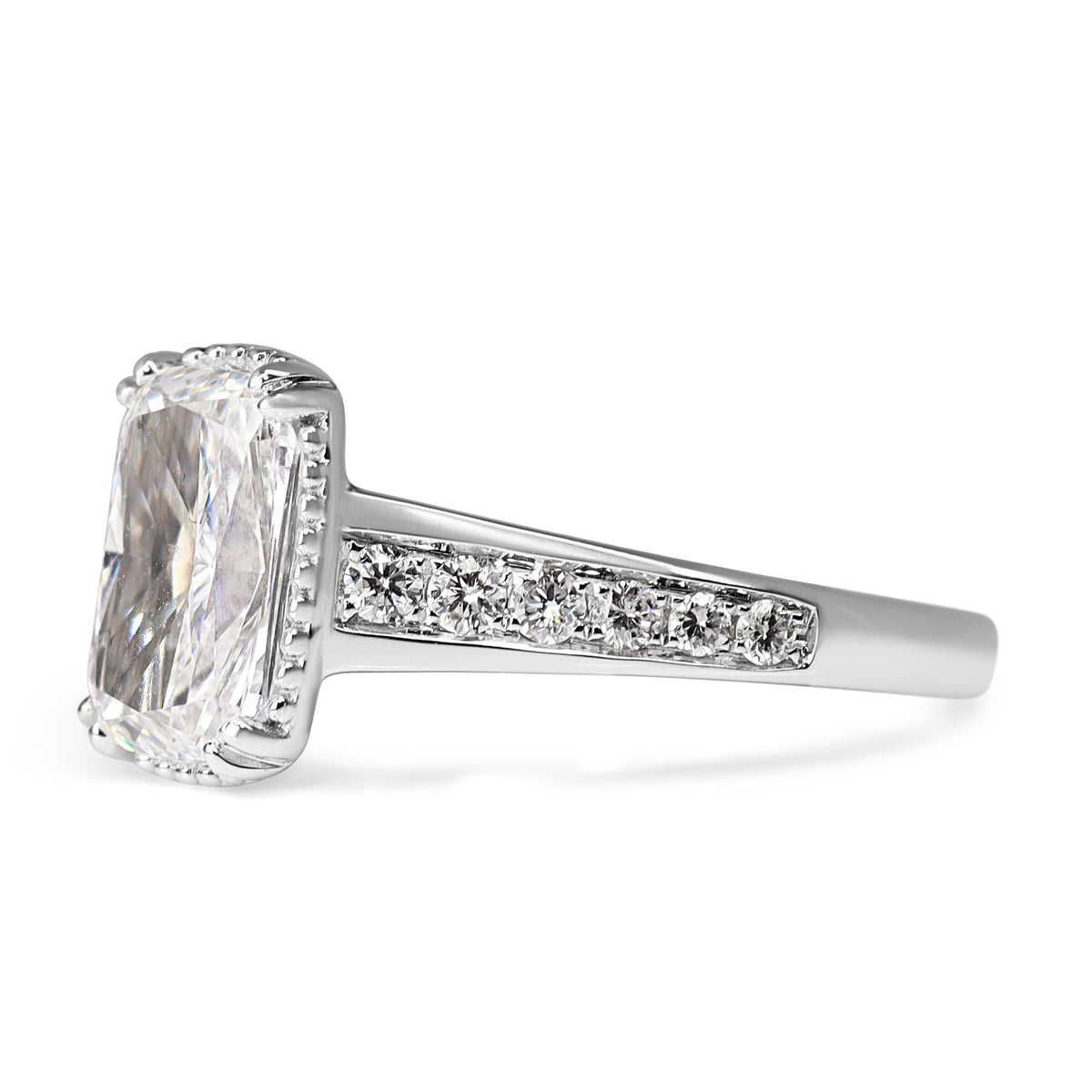
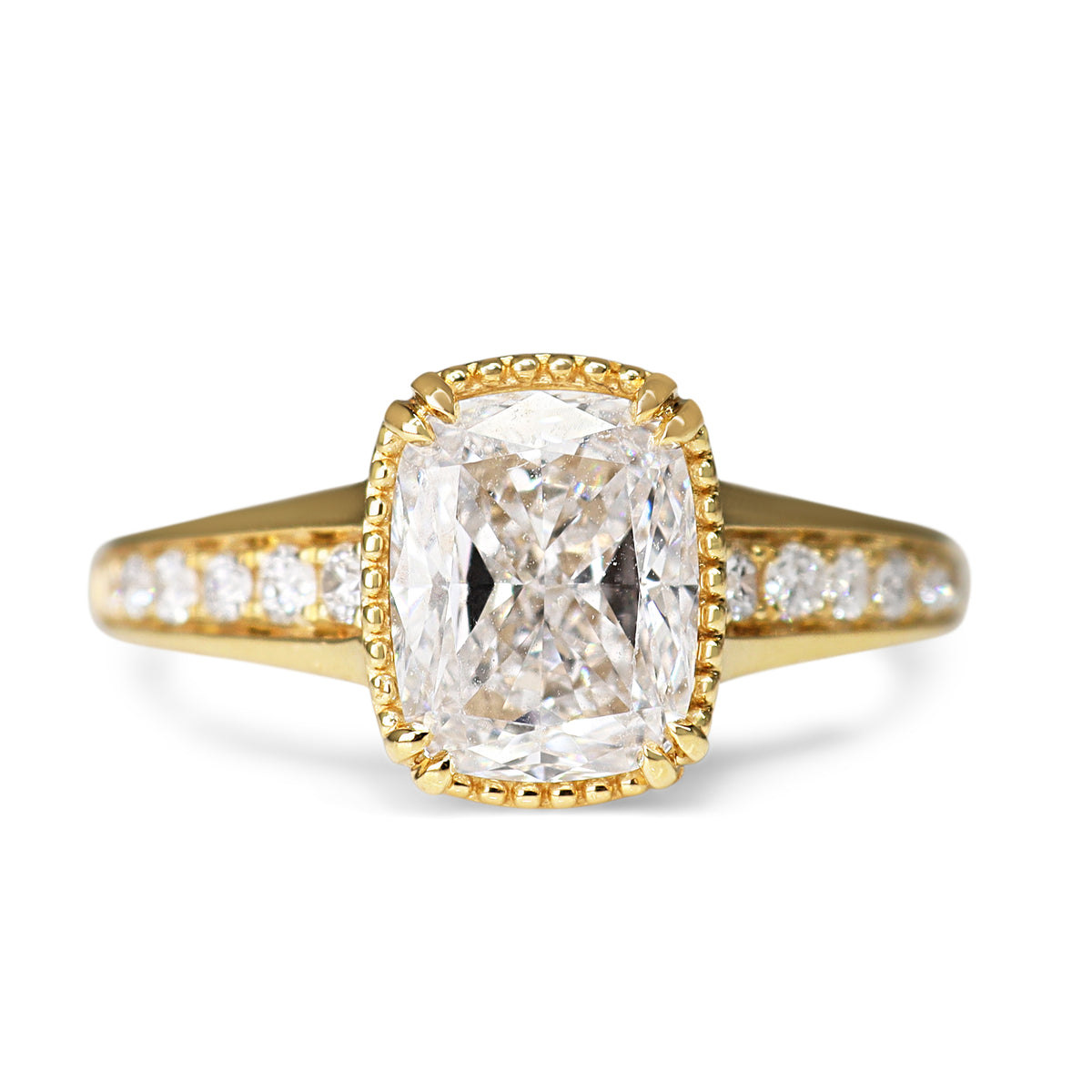
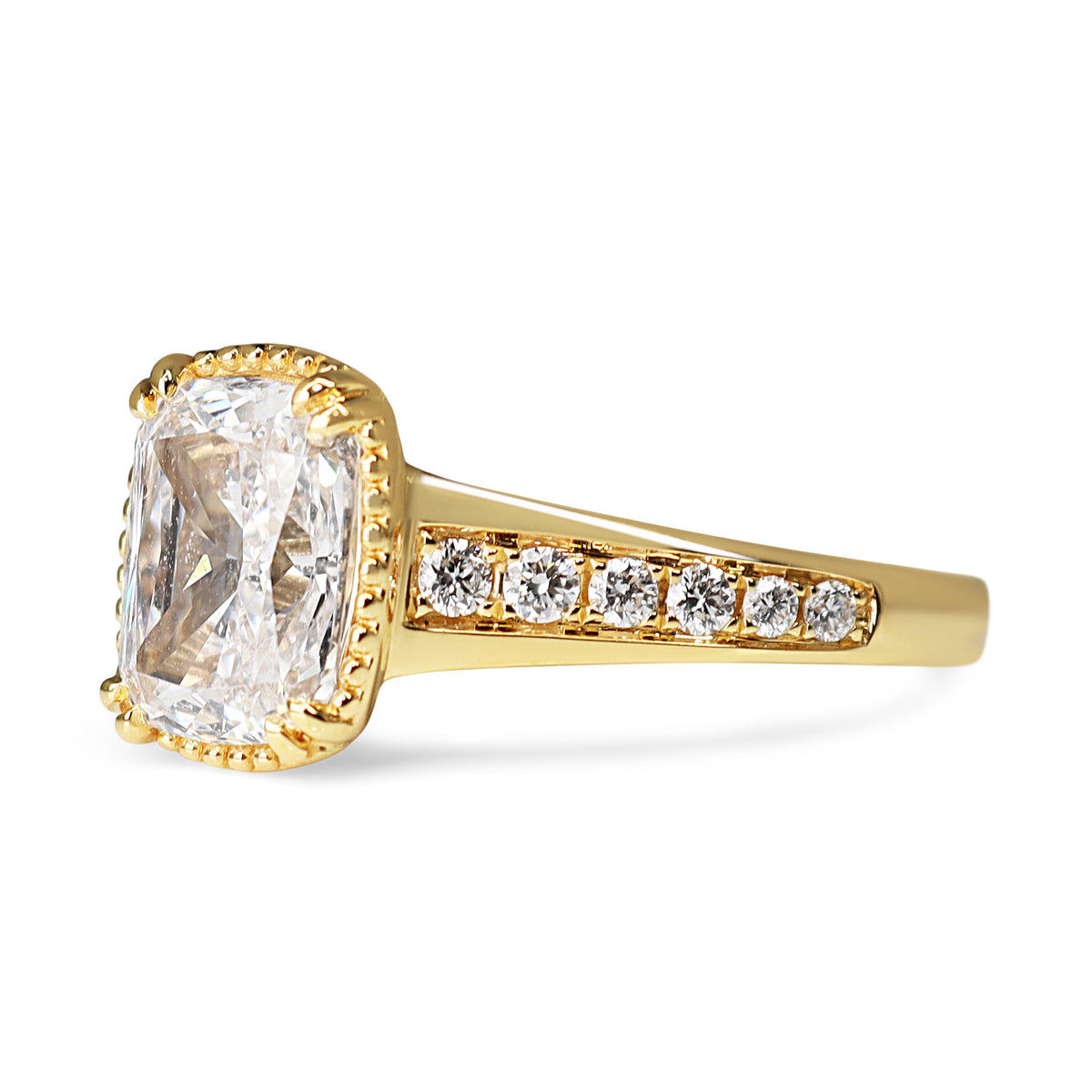
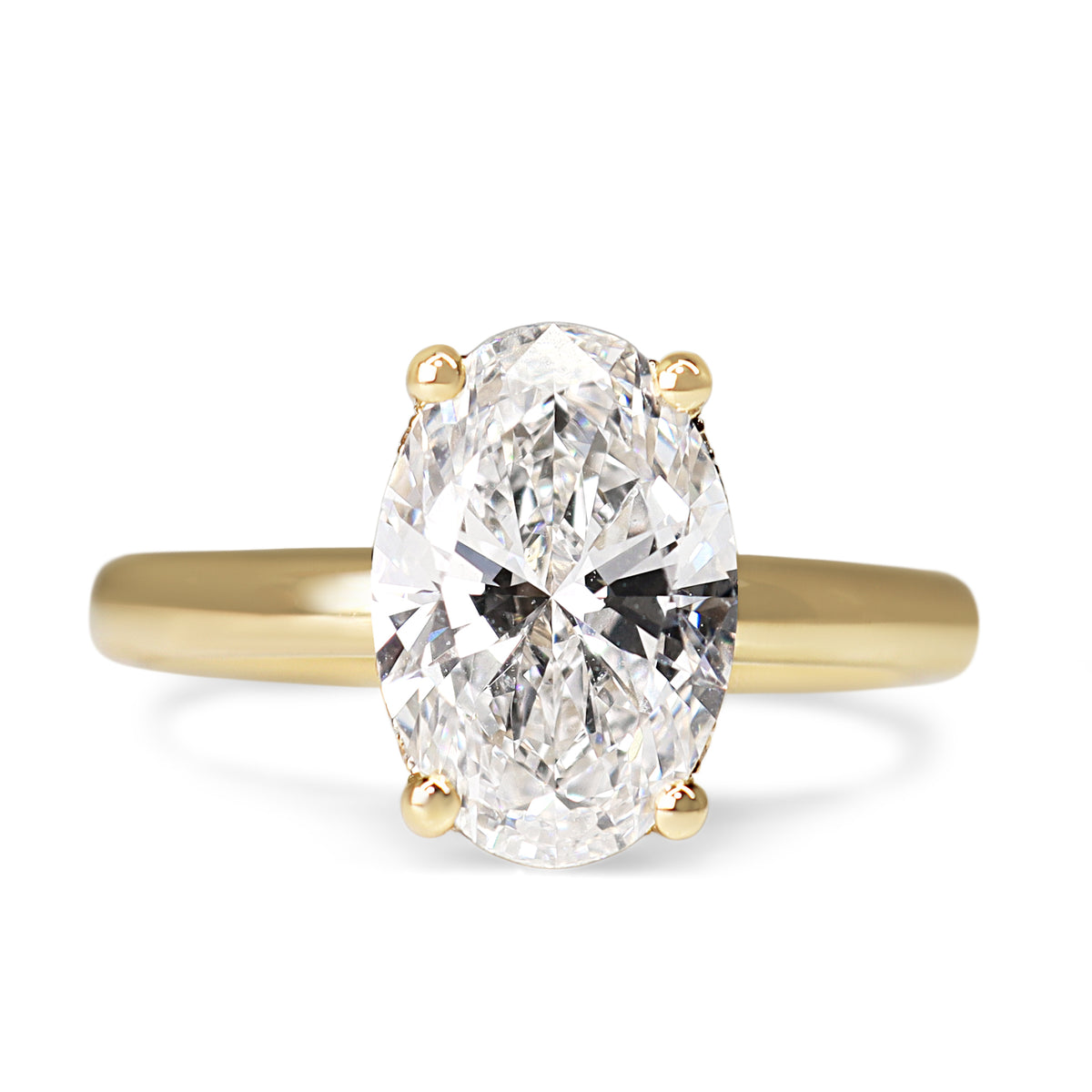
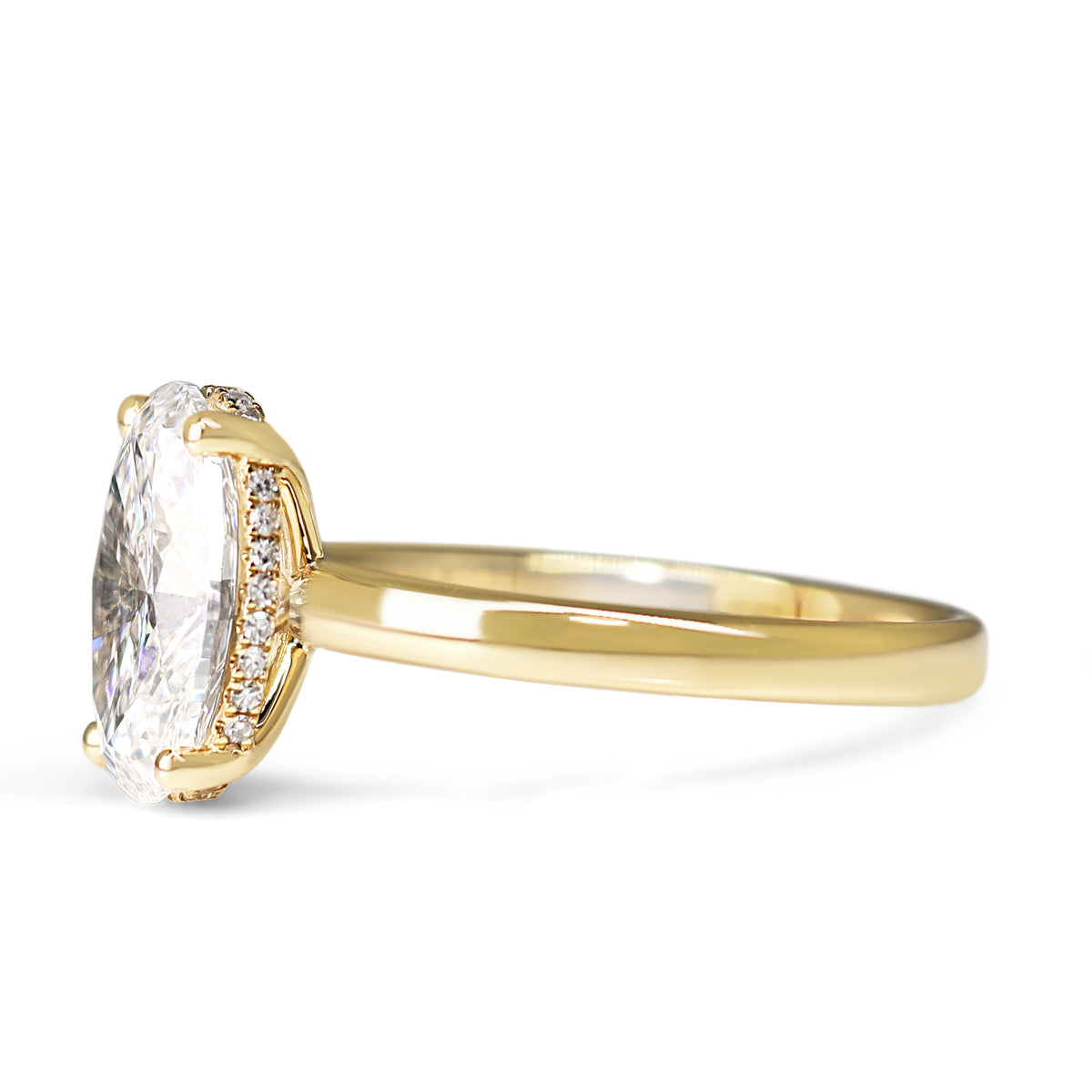
Both can come in oval, round, emerald, pear, cushion and other popular shapes.
So if you’re asking:
“Will people know my diamond is lab-grown?”
Probably not unless you tell them.
So why are lab-grown diamonds cheaper?

This is usually where people go:
“Wait... if they look the same, why is one so much cheaper?”
Fair question.
Lab-grown diamonds can be produced in a controlled environment.
Natural diamonds are limited by what is found in the earth.
That difference in supply affects the price.
For many couples, this means a lab-grown diamond can give you:
-
a bigger stone
-
higher colour
-
higher clarity
-
more room in your budget
Basically, more diamond for less money.
And yes, that is a big reason they’re popular.
Then why do people still choose natural diamonds?
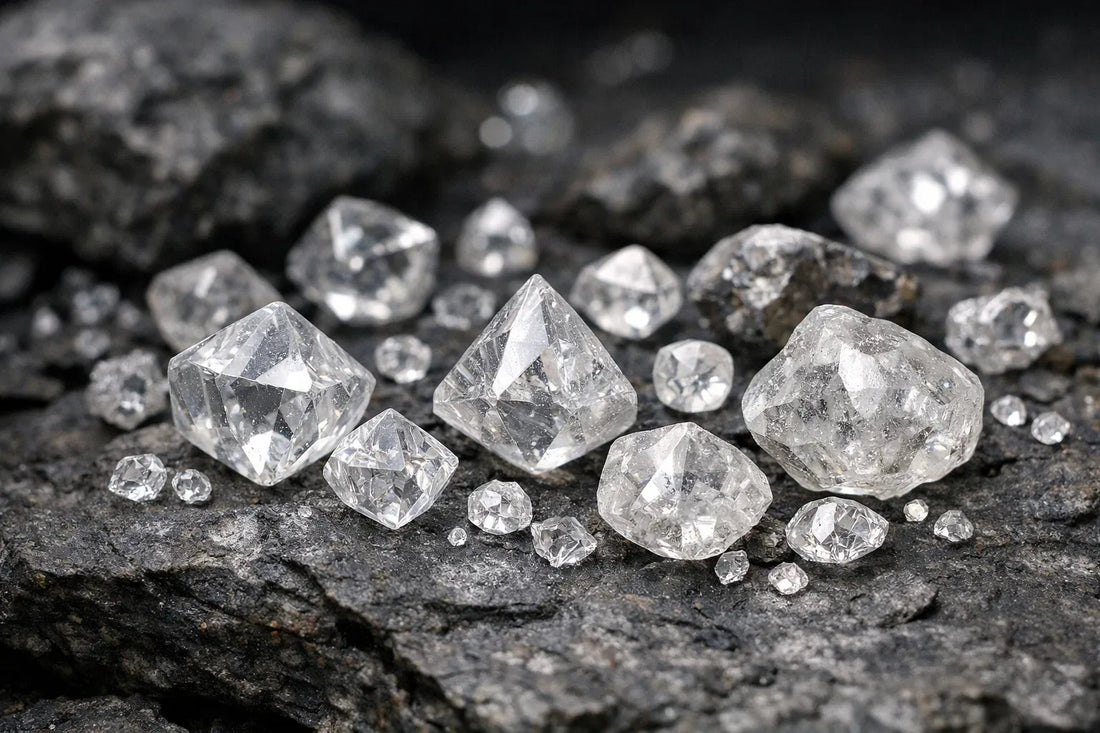
Because not everyone is choosing based on size.
Some people love the story.
A natural diamond has been forming underground for billions of years.
There’s something pretty incredible about that.
For people who care about rarity, history, and natural origin, that can make the diamond feel more special.
And if you already love antique jewellery or vintage engagement rings, you may naturally be drawn to that history too.
Do lab-grown diamonds sparkle the same?

Yes.
But here’s something people often miss.
Sparkle is more about the cut than whether the diamond is lab-grown or natural.
A beautifully cut diamond will reflect light better.
A badly cut diamond can look flat, even if it’s bigger.
So don’t get too caught up in carat size.
Bigger isn’t always prettier.
Sometimes the diamond that catches your eye first is not the biggest one in the tray.
Are lab-grown diamonds good for engagement rings?

Absolutely.
Lab-grown diamonds are hard, durable, and suitable for everyday wear.
Natural diamonds are too.
So when it comes to strength, both can be great choices for an engagement ring.
The bigger question is:
What matters more to you?
Size?
Budget?
Rarity?
History?
There’s your answer.
Do lab-grown diamonds hold their value?
This is a question we hear a lot.
Lab-grown diamond prices have changed as more diamonds have become available and production has improved.
Natural diamonds have a different kind of rarity because their supply is naturally limited.
But here’s our view.
Don’t choose an engagement ring only because you think you might sell it later.
Hopefully, you’re choosing something you’ll still love looking at years from now.
That matters more.
What about old-cut diamonds?

Now this is where things get really interesting.
Old Mine Cuts and Old European Cuts were often shaped by hand.
That means they can look very different from modern diamonds.
They may have:
-
larger facets
-
softer flashes of light
-
warmer tones
-
slightly uneven shapes
-
more personality
And that last one matters.
Old-cut diamonds weren’t made to look perfectly identical.
That’s part of their charm.
Why do old-cut diamonds look so different?

Think of modern diamonds as very precise.
Think of old-cut diamonds as a little more romantic.
They were cut in a different time, often for softer lighting.
So instead of sharp, fast sparkle, you may notice slower flashes of light and more depth.
Some people see that and instantly fall in love.
Others prefer the bright, clean look of a modern stone.
Again, there’s no wrong answer.
Can you get the old-cut look with lab-grown diamonds?

Yes.
You can now find lab-grown diamonds in old-cut and antique-inspired styles too.
So if you love the romantic look of vintage jewellery but prefer lab-grown, you can still get that feel.
That’s one of the reasons engagement ring shopping is much more interesting now.
You have more choices than ever.
Lab-grown vs natural diamonds: the simple version

Choose lab-grown if:
You want more size for your budget.
You love the look of a diamond and don’t mind how it was created.
You want to prioritise colour, clarity or carat.
Choose natural if:
You care about rarity.
You love the idea of a diamond formed naturally over billions of years.
You’re drawn to history and heritage.
Choose old-cut if:
You want something with character.
You don’t want your ring to look like everyone else’s.
You love vintage and antique jewellery.
Which one is better?

Honestly, the one you love.
Some people try on a large lab-grown diamond and instantly know.
Some people see a natural diamond and love the story behind it.
Some people try on an old-cut ring and completely forget what they thought they wanted.
That happens more than you’d think.
Still unsure?
Come see them in person.
At Burlington Jewellery in Westfield Doncaster, Melbourne, you can compare lab-grown, natural, and old-cut diamond engagement rings and see the difference for yourself.
Sometimes you can read every article, compare every certificate, and save 50 rings online...
Then you put one ring on and go:
“Yep. This is it.”
That’s usually the moment that matters.

Ecrit par BURLINGTON JEWELLERY




Laisser un commentaire
Ce site est protégé par hCaptcha, et la Politique de confidentialité et les Conditions de service de hCaptcha s’appliquent.